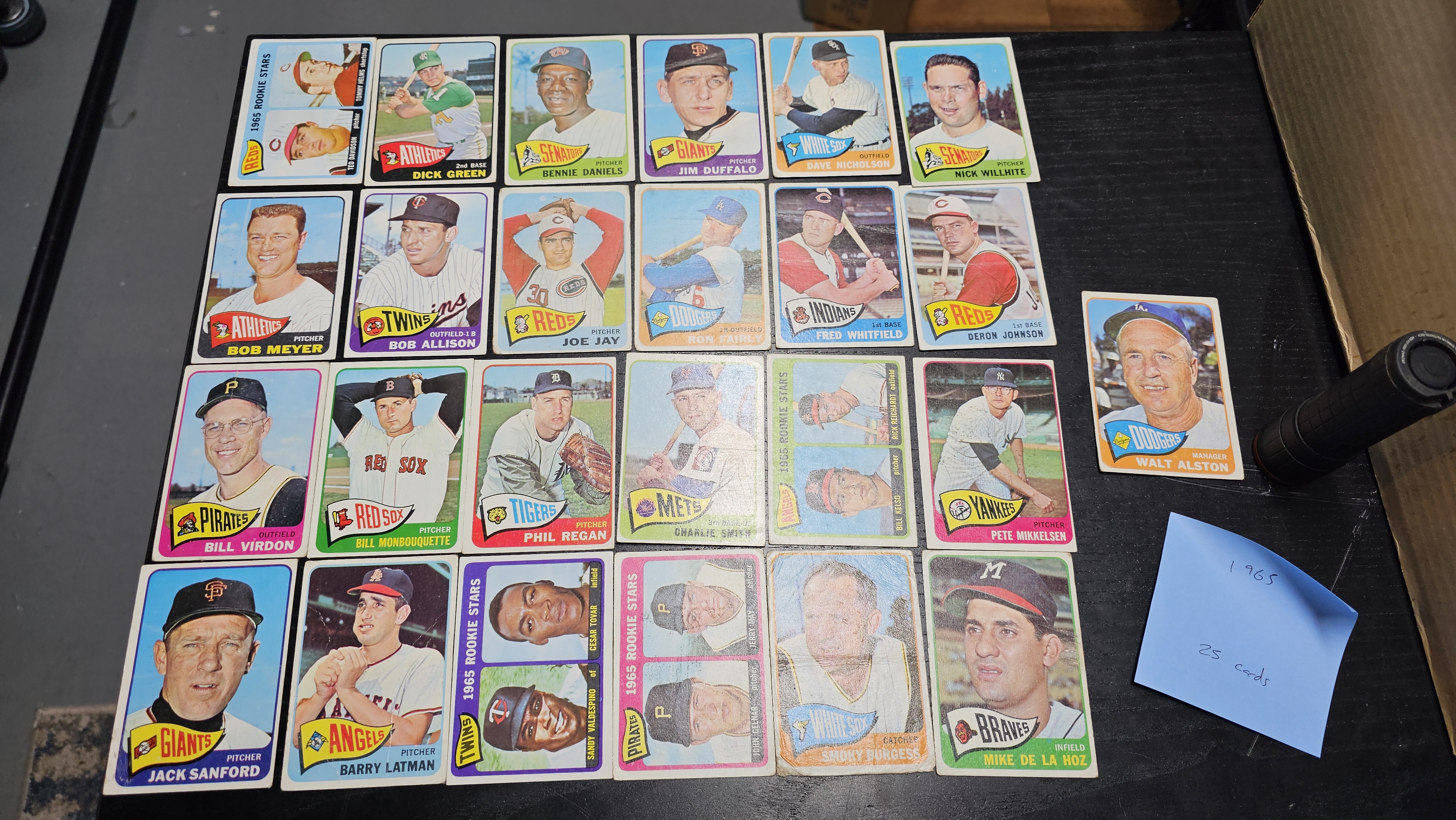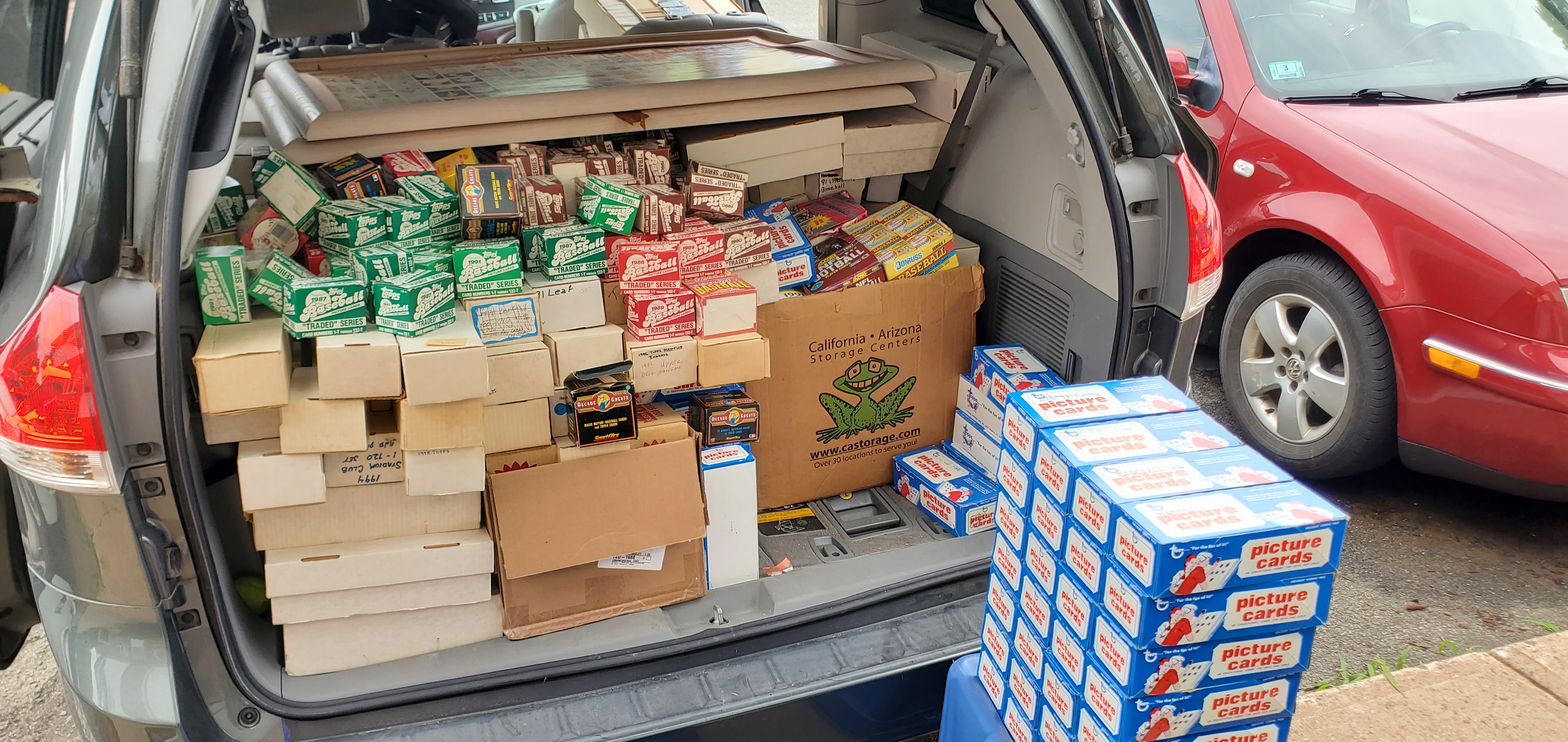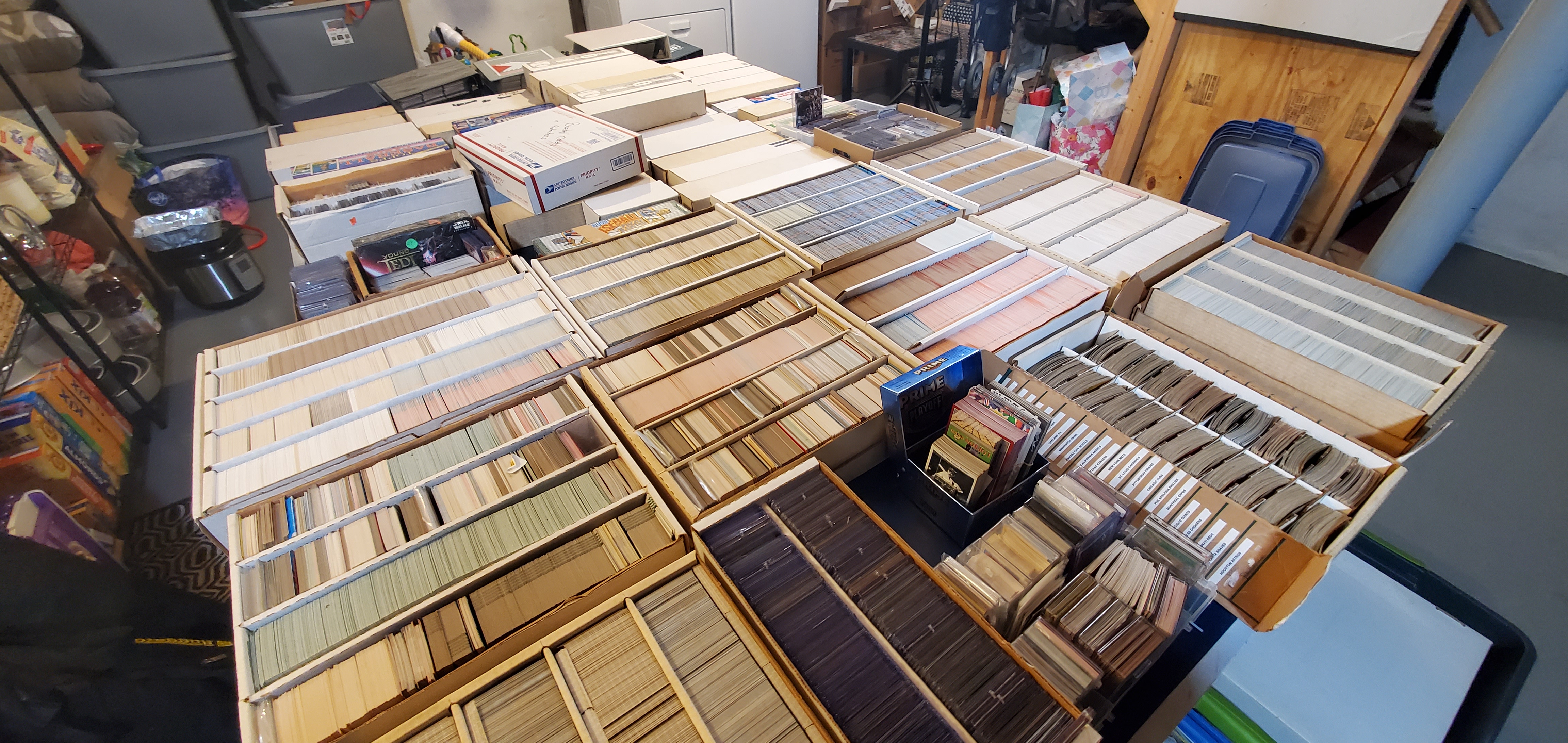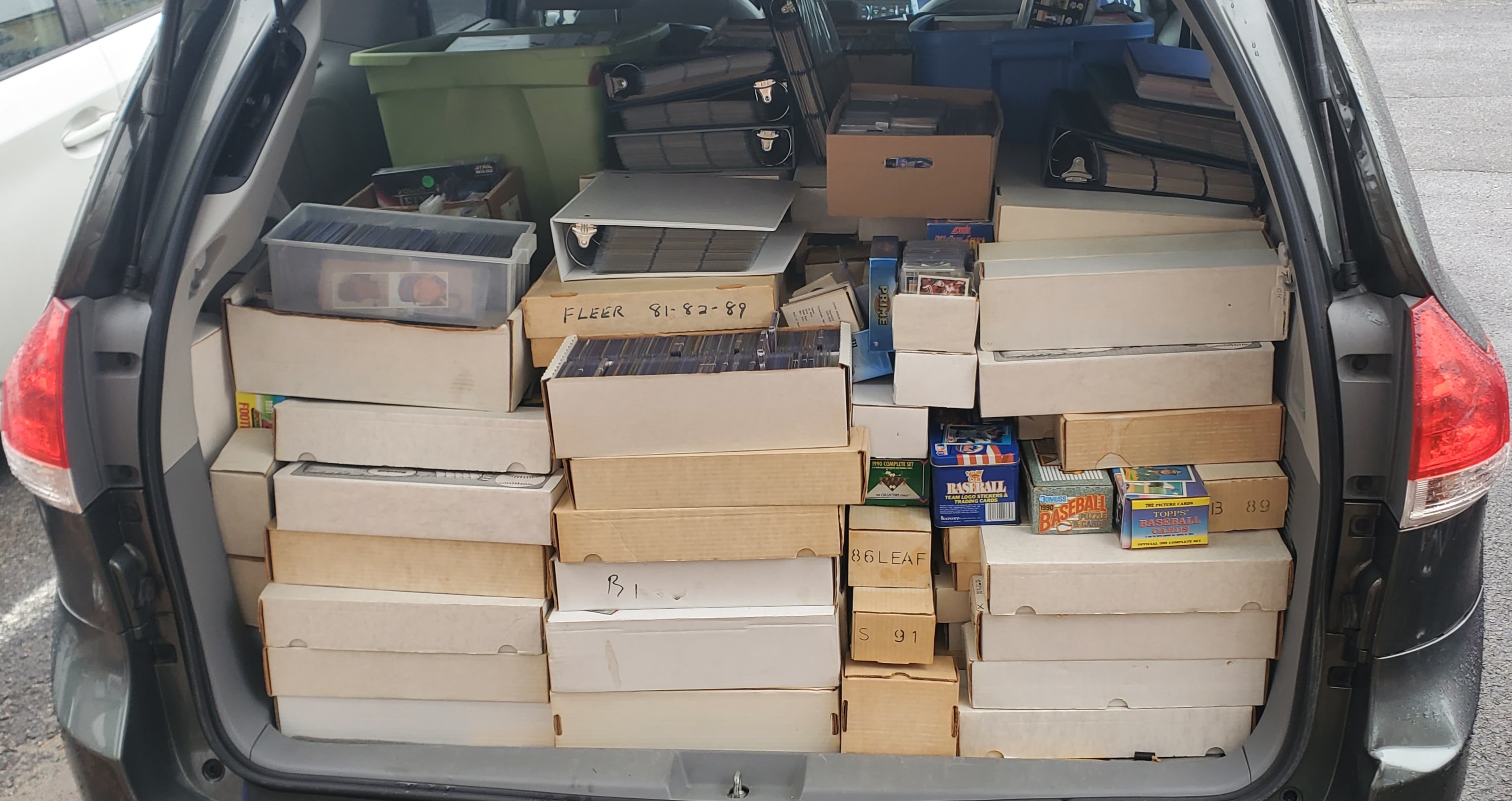
With old baseball cards, do a quick triage first: check years, look for Hall of Famers, rookies, graded cards and sealed packs, and keep complete sets together. Sell the valuable cards or the whole collection for cash. Boxes of 1987–1994 commons are worth little on their own but still sell as bulk lots.
The 10-minute triage
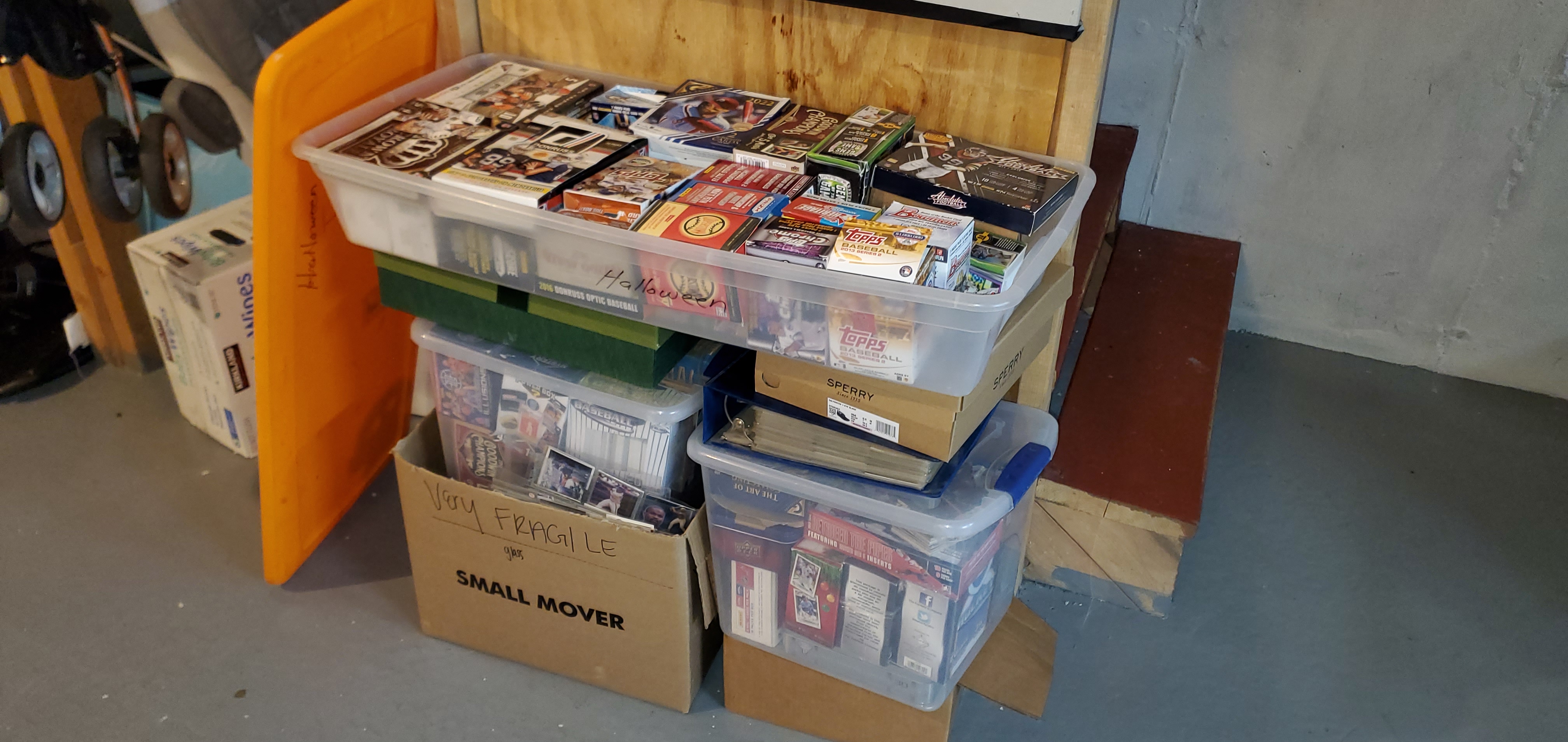
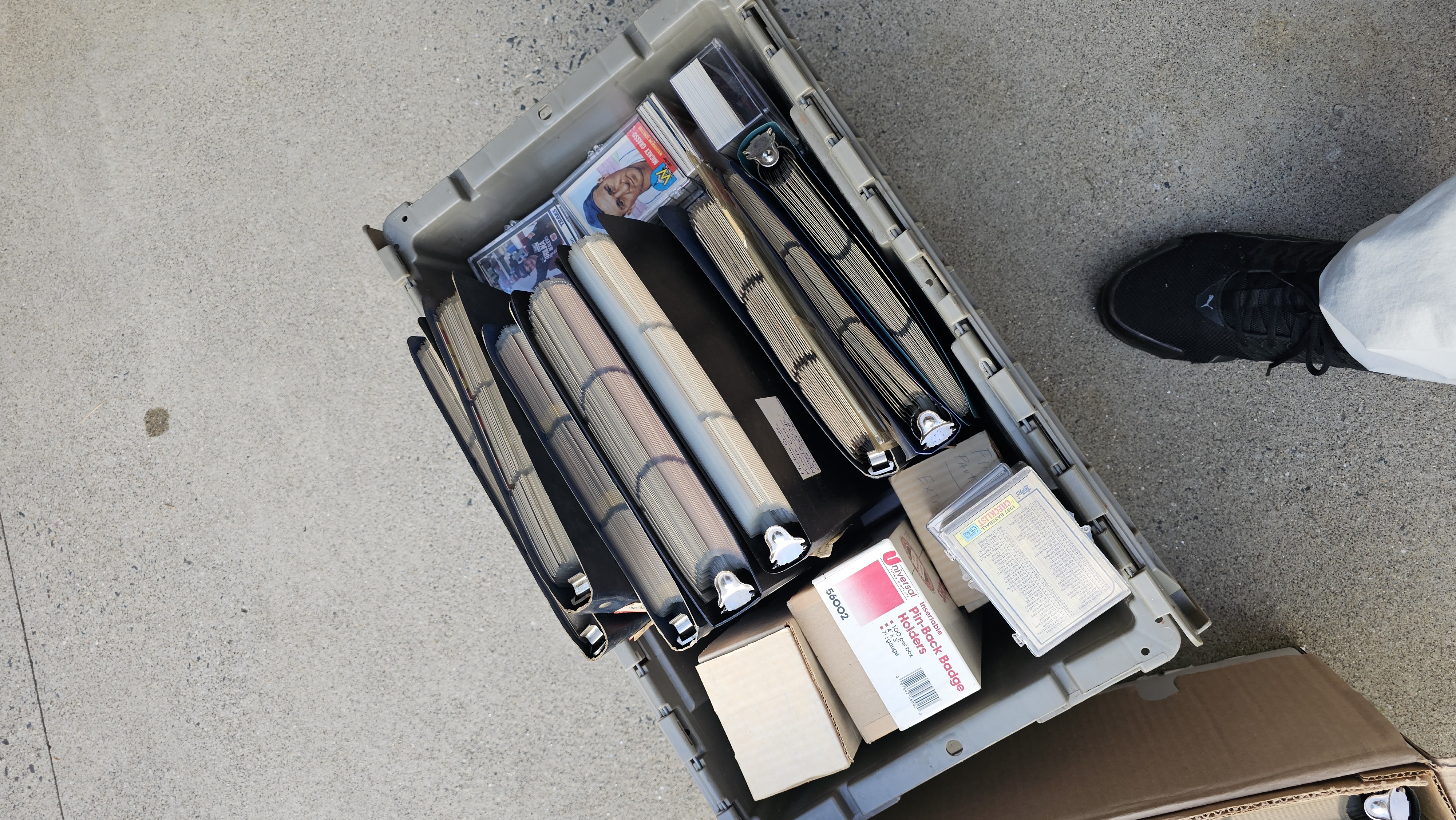
- Open every box and binderValuable cards hide in the least impressive box. Shoeboxes and cigar boxes are classic hiding spots.
- Flip a handful from eachRead the year on the back. Pre-1975 gets its own pile.
- Look for stars and rookiesBig names, “RC” logos and first-year cards go in the “check” pile.
- Pull anything specialGraded slabs, autographs, sealed packs, factory sets and old wax boxes.
- Keep sets togetherA complete set is usually worth more than its cards sold separately. Don't break it up.
How to tell a box is mostly commons
- Shiny cards with the same few designs over and over, usually 1987–1994
- Dozens of copies of the same card
- Unopened factory sets from the late 80s and early 90s (common, but they still sell as sets)
Pro tip: Junk-wax boxes almost always have a few cards worth pulling. Check rookies of Hall of Famers and any card marked as an error.
What to do with each pile
Sell one at a time or as part of a whole-collection sale. Sleeve and toploader them now.
Small lots by team or player sell well to fans.
Sell by the box on Marketplace: “1,000 baseball cards” sells to parents and new collectors.
Give them to a kid, a youth league or a school. Kids love a box of cards.
Don't do this
- Throwing boxes out before anyone looks
- Cleaning, erasing or flattening cards. It ruins them.
- Rubber-banding stacks. Bands dent edges and lower value.
- Leaving them in an attic or damp basement another season
- Breaking up complete sets
Short on time?
The triage is quick. Selling everything piece by piece isn't. If you'd rather hand it all off, one buyer can take the whole lot, commons included, and pay the same day.