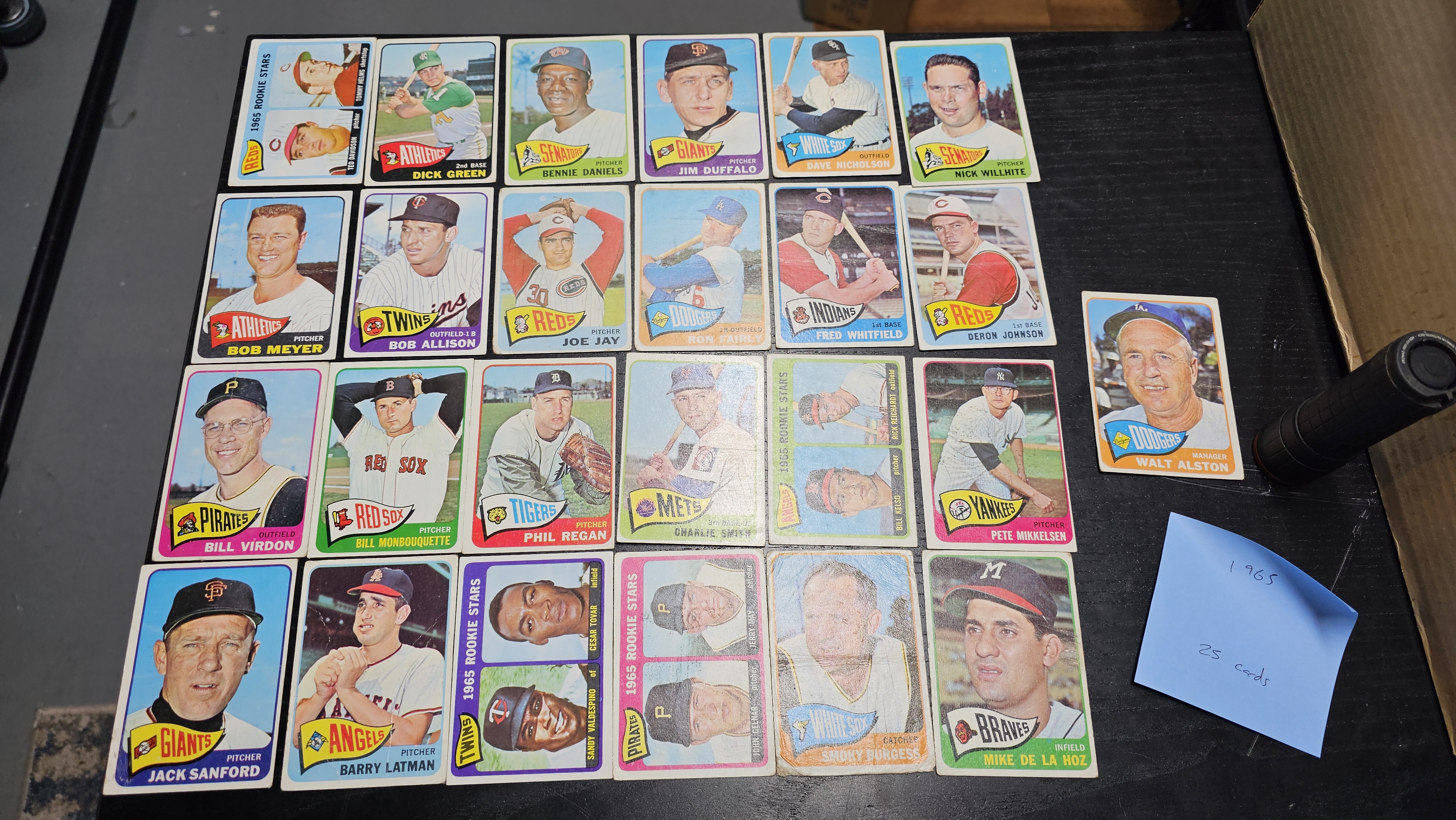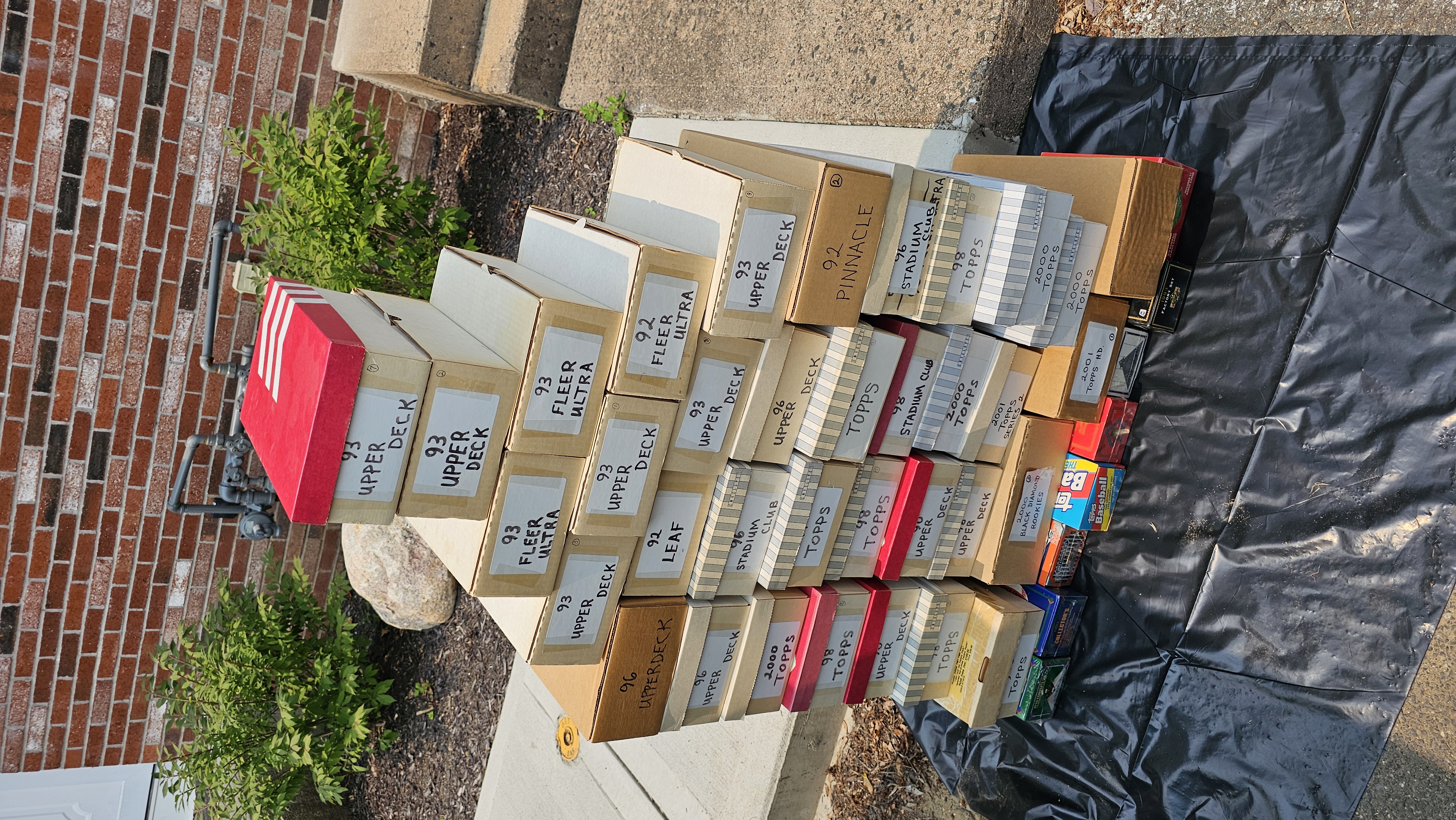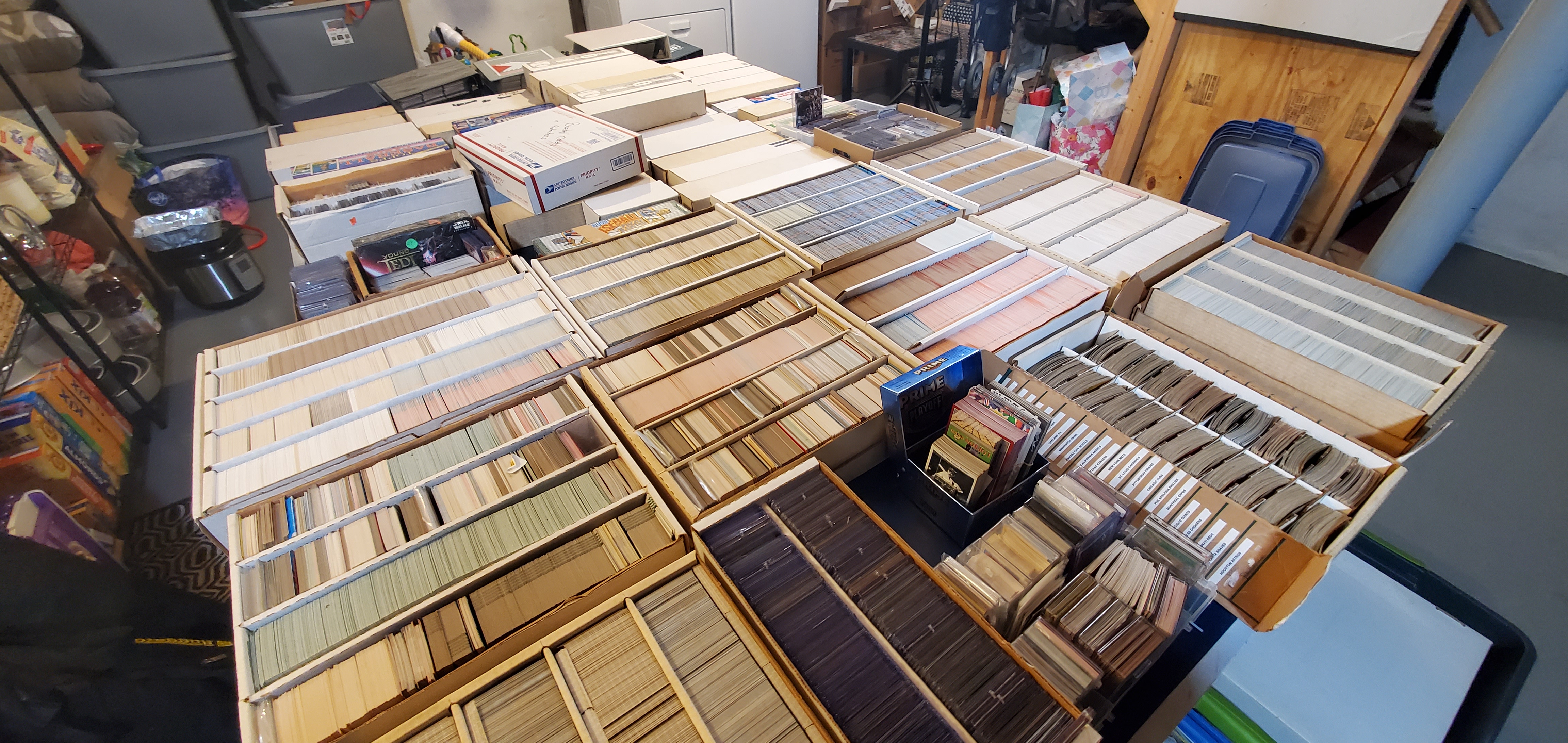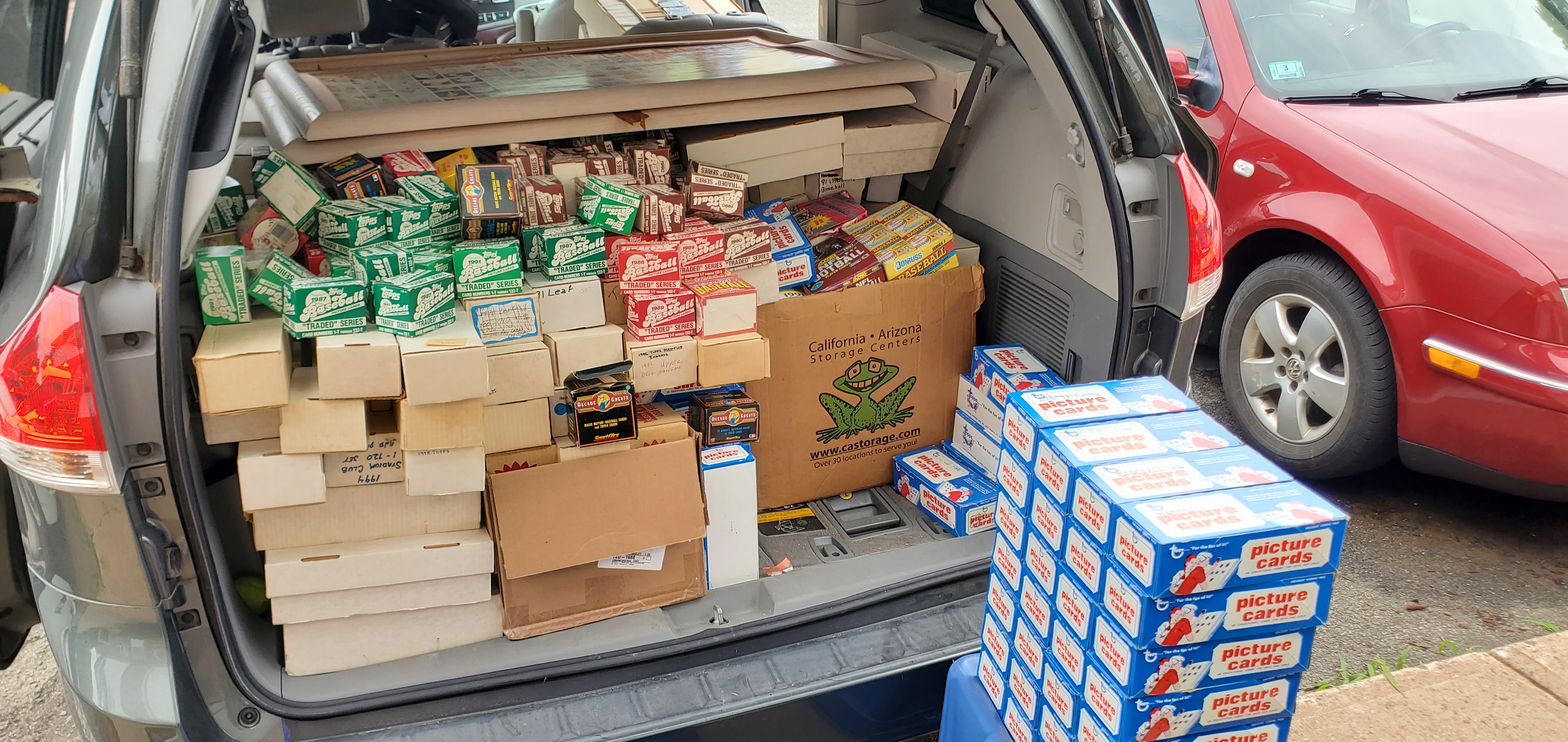
To sell sports cards, split them into three piles (hits, mid-value and bulk), price the hits off recent sold sales, not asking prices, and list them a little high so you have room to negotiate. Sell bulk as lots. If you'd rather skip months of listing, sell the whole collection to one buyer for cash.
Step 1: Sort into 3 piles
Vintage stars, Hall of Fame rookies, graded cards, autographs, numbered cards. Usually 1–5% of a collection and most of the money.
Decent players and key rookies from the 70s–90s. Worth a few dollars each. Sell in small lots by team or player.
Commons and junk-wax base cards. Sell by the box or the thousand. Don't price these one at a time.
The handful with a story. Pull these first so they don't end up in a lot by accident.
Pro tip: Do the sort with the card backs facing you. The year, card number and the little “RC” or rookie logo are faster to spot on the back.
Step 2: Price off real sales, not wishful listings
- Search the exact year, brand, card number and player, then filter to sold listings only
- Use the last 5–10 sales in the same condition or grade. Toss the highest and lowest.
- A crossed-out price usually means a best offer was accepted for less. Assume it sold 10–20% under.
- Ignore printed price guides. Their numbers are often far above what cards actually sell for.
- A raw card is not a PSA 9. Ungraded vintage usually sells closer to low-grade prices.
Step 3: List it so it sells
- Photos: daylight or bright white light, dark plain background, front and back, plus a close-up of the corners. Blurry photos get lowballed.
- Title: year, brand, player, card number, “RC” if it's a rookie, and the grade if it has one.
- Price: list 20–30% above the number you actually want. Everyone offers less.
- Protection: penny sleeve plus a toploader. Never rubber bands, never loose in a box.
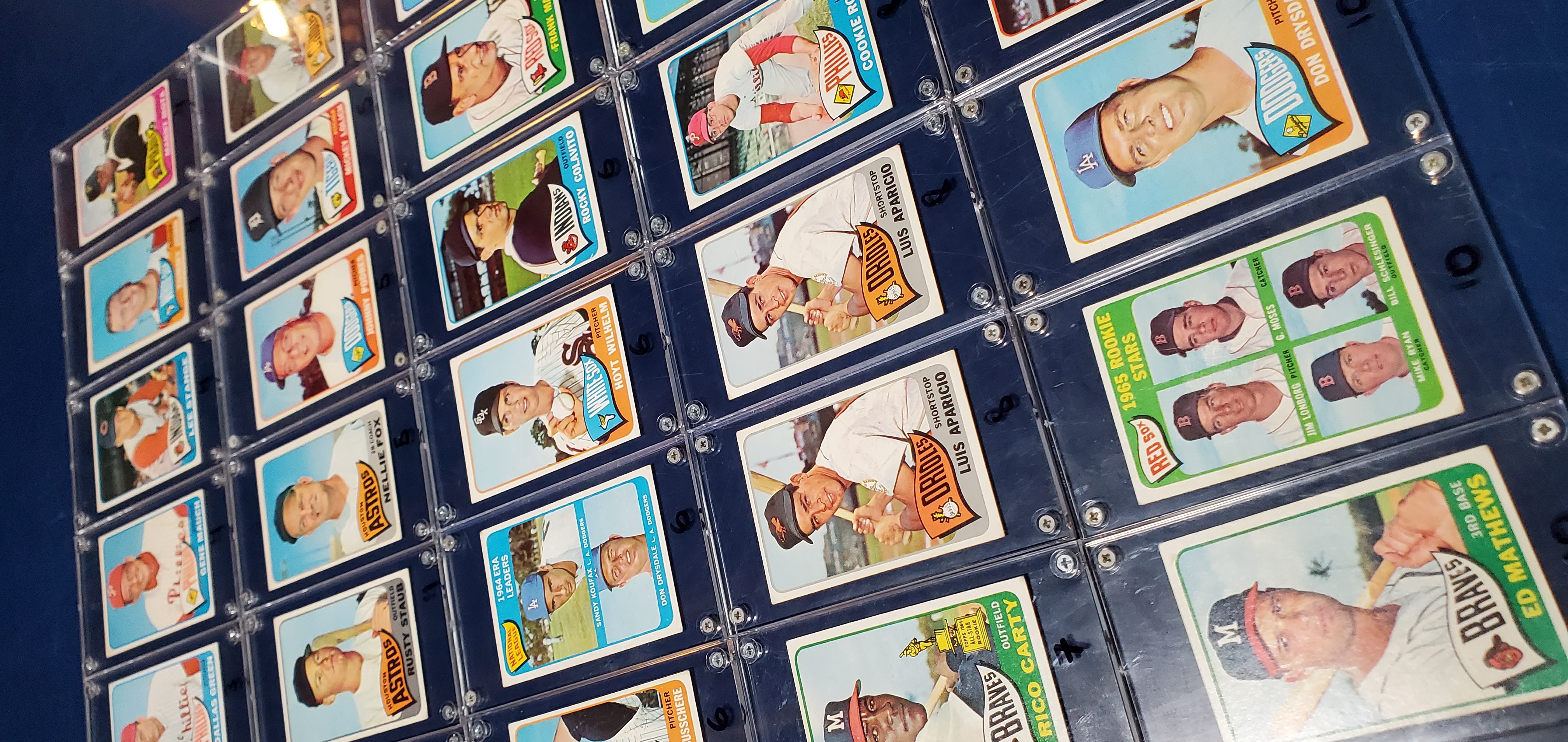

Selling on Facebook Marketplace and in card groups
- Expect lowballs. Counter once, then take an offer that hits your real number. That's why you listed high.
- Expect most messages to go nowhere. 4 out of 5 “Is this still available?” people never show. Totally normal.
- Ask for a specific meeting time before you hold anything. No time, no hold.
- Meet at a police station safe-exchange spot or a busy store. Cash, or an instant payment that has fully landed.
- Bundle bulk: “500 baseball cards” or “a full box of 90s cards” sells to parents and new collectors far faster than single commons.
- In card groups, read the rules, use payment methods with buyer and seller protection, and check the buyer's references.
Pro tip: Post your best cards first. One strong card in a listing brings buyers who then ask “what else do you have?”
Don't get scammed
- Anyone asking you to read back a verification code. That's an account takeover.
- “I'll send a shipping label, my mover will pick it up”, or overpayment with a request to refund the difference
- Payment “pending” screenshots. Wait until the money is actually in your account.
- Shipping to a stranger before payment clears
Timing and fees
- Sell players in season. Football cards move best from September to January, baseball in spring and summer.
- Milestones and Hall of Fame news spike prices for a few weeks. Have the card listed before the news, not after.
- Online selling fees run roughly 13% plus payment fees. Build that into your price.
- Cheap cards ship in a plain envelope. Anything over about $20 goes in a bubble mailer with tracking.
Or skip all of it
Sorting, pricing, photos, listings, no-shows and shipping take real time, often months for a big collection. If you'd rather be done this week, one buyer can take everything at once, bulk included.