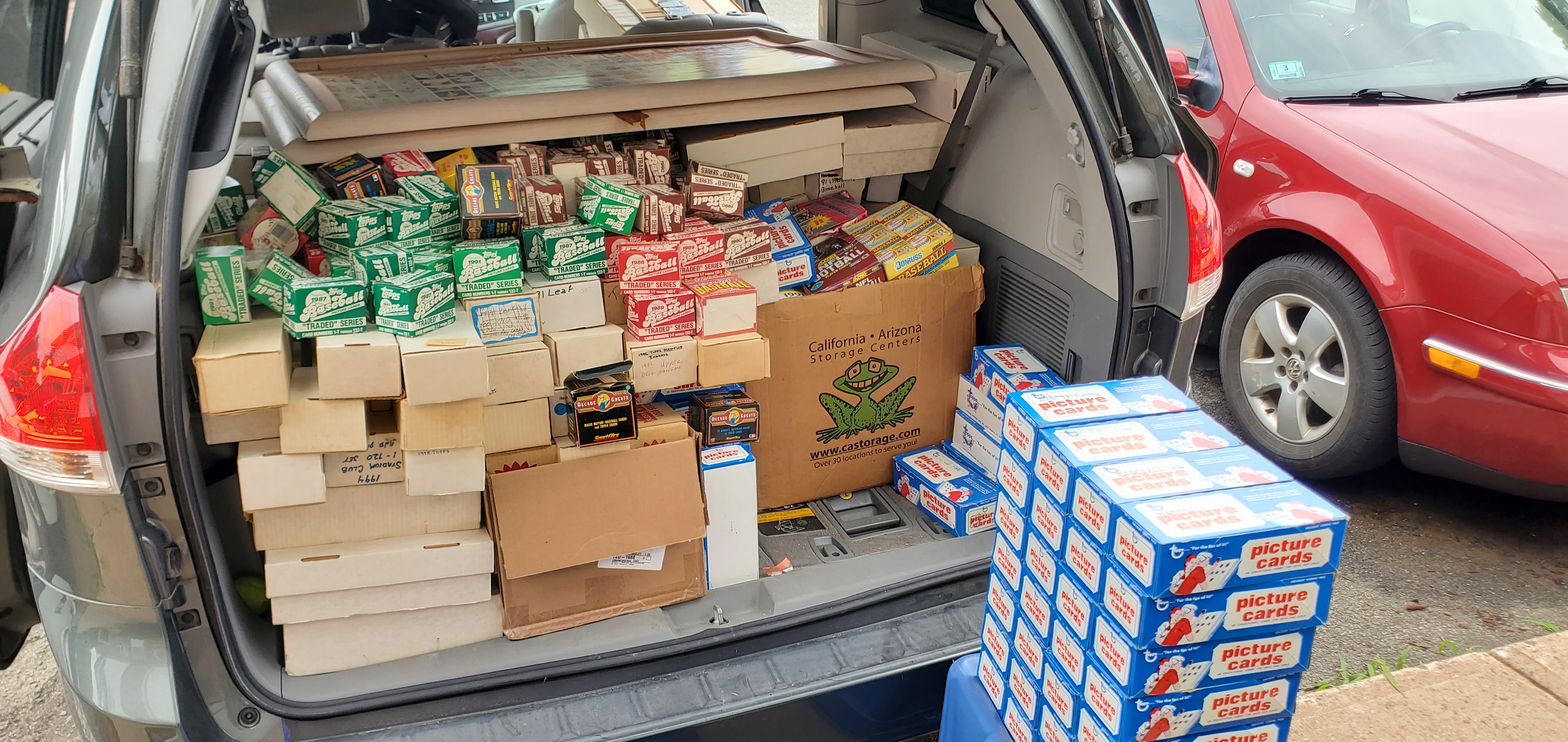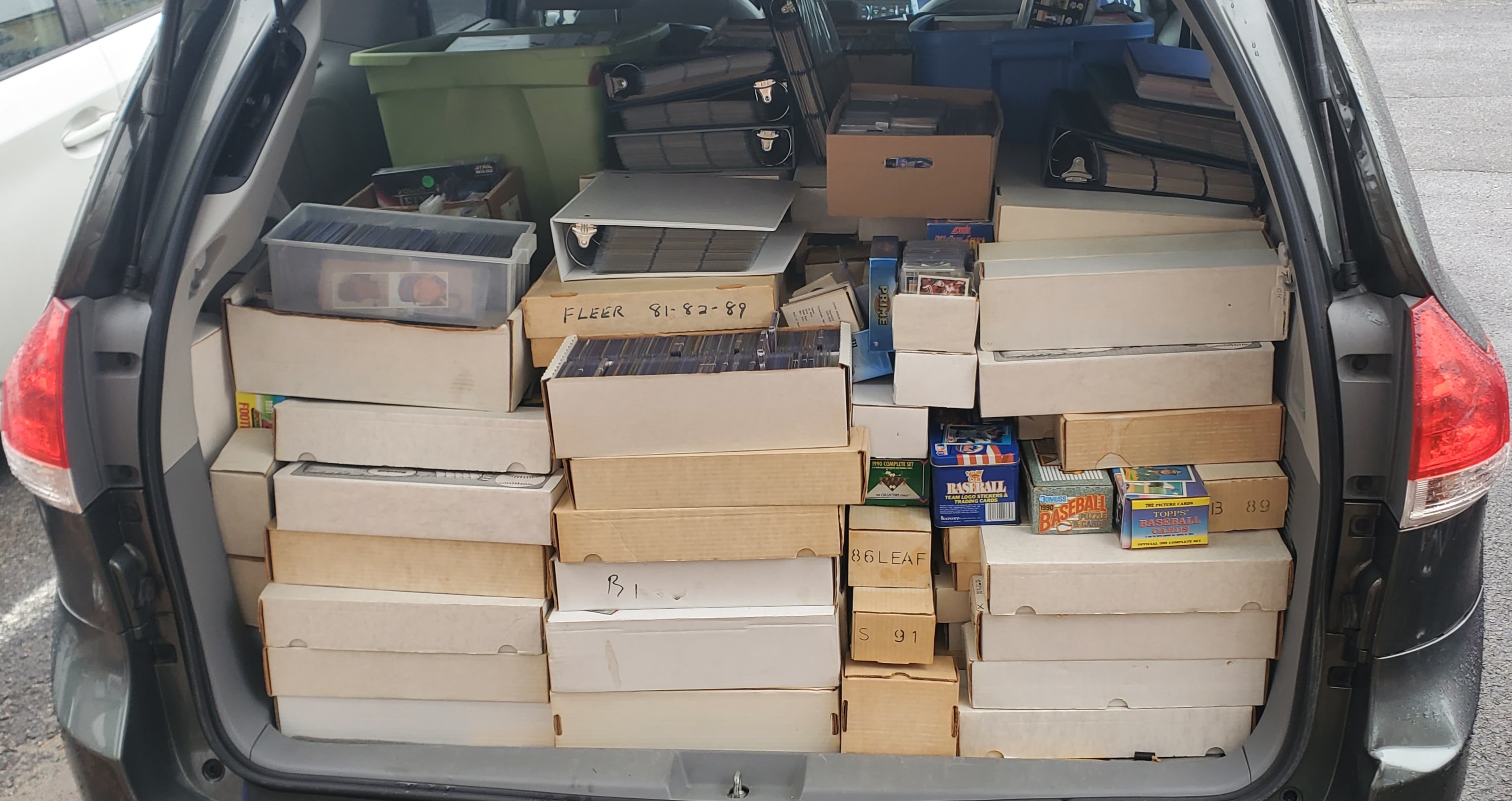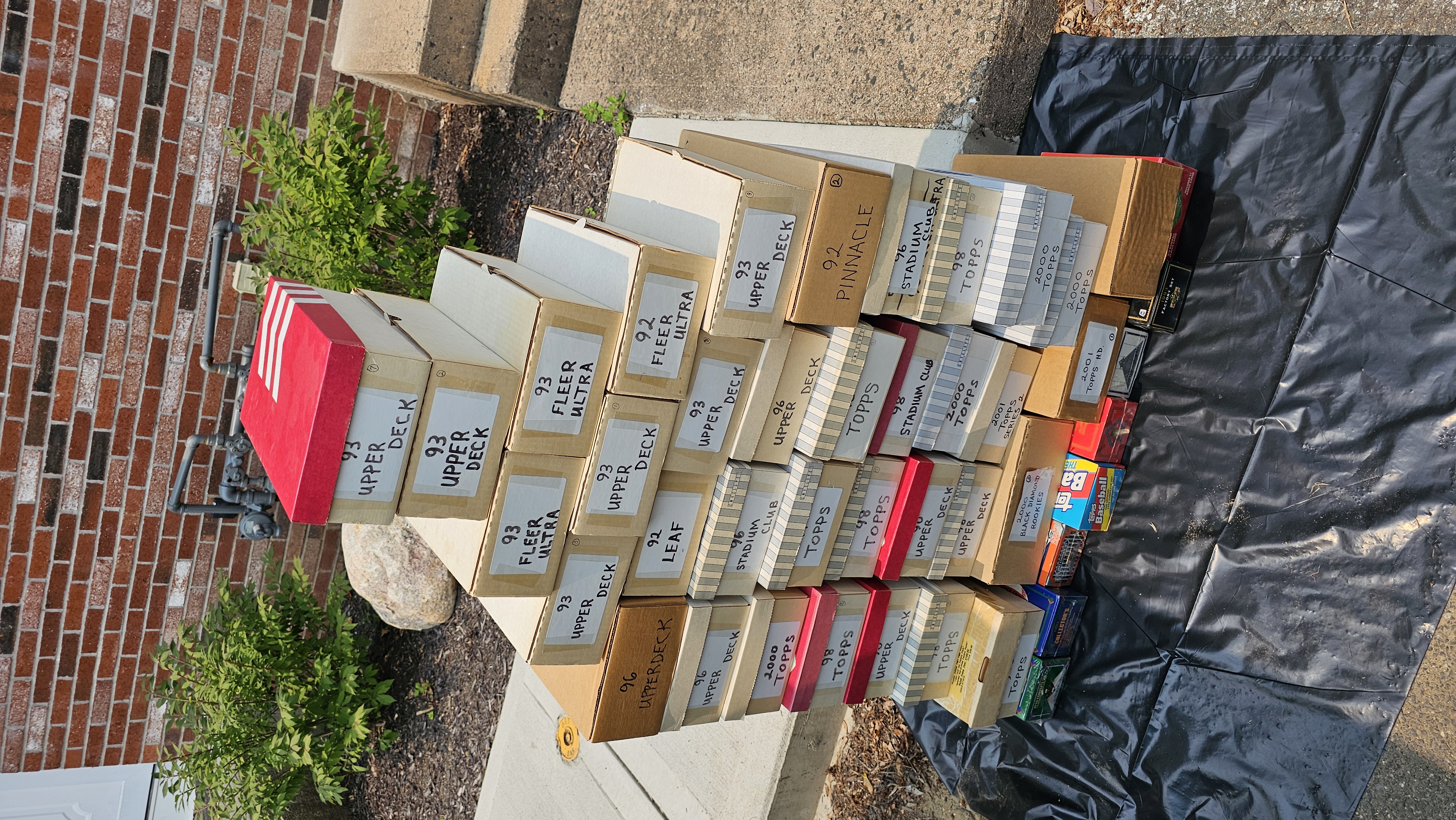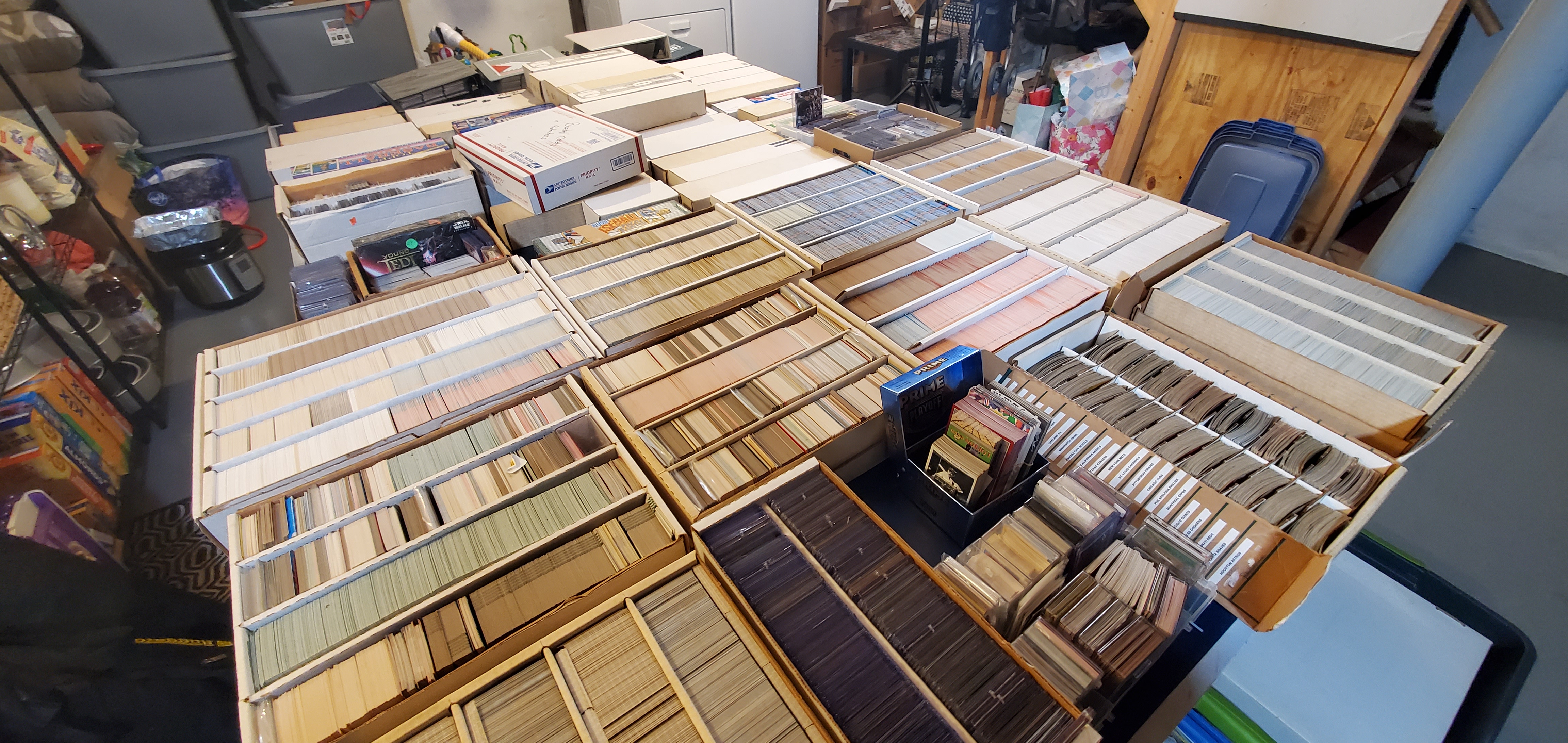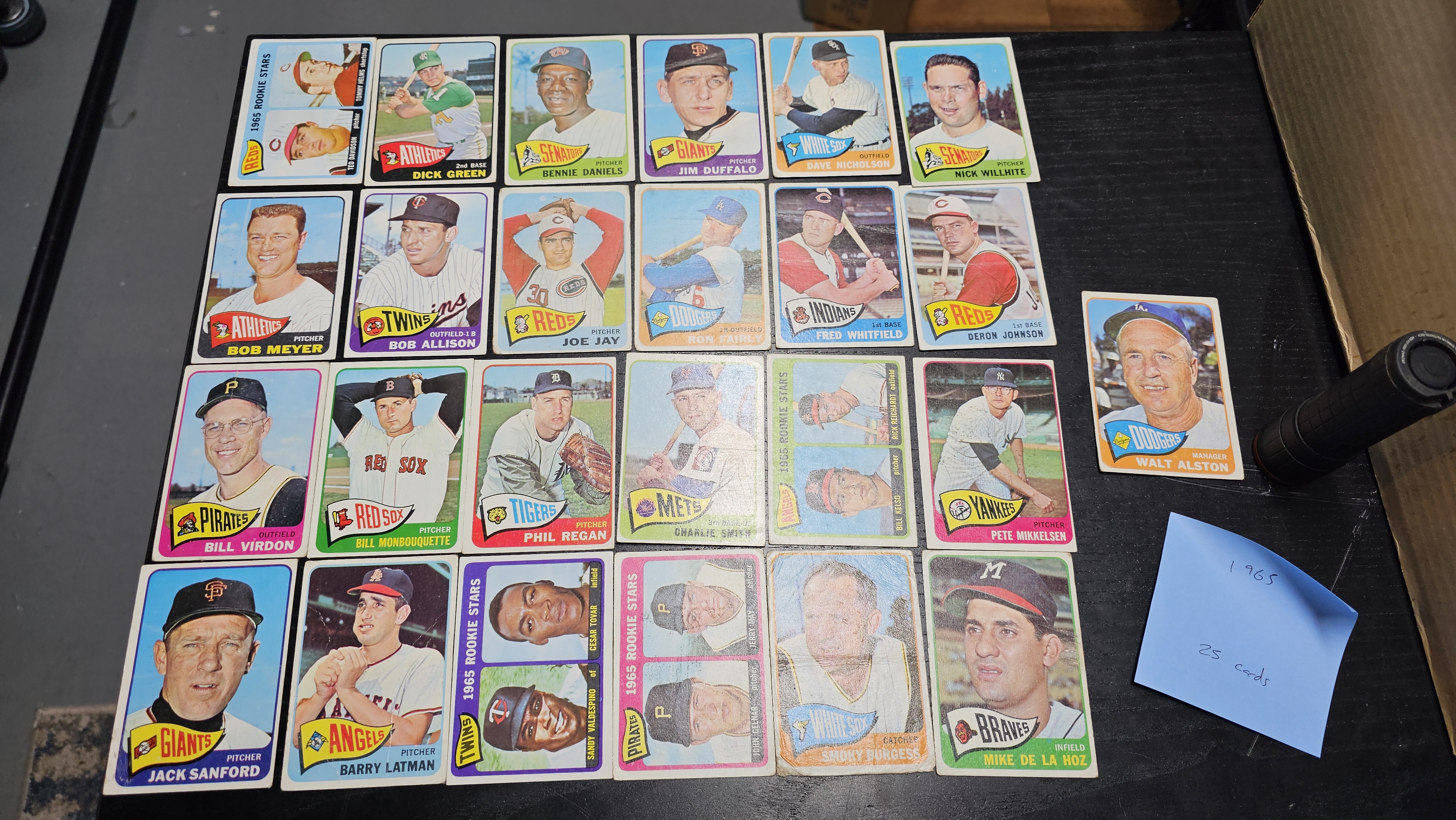
A baseball card is worth what the same card in the same condition has recently sold for. Year, player and condition drive almost all of it: pre-1975 stars, Hall of Fame rookies and graded cards carry the value, while most 1987–1994 base cards sell for very little. Check recent sold prices, not asking prices or printed price guides.
The 30-second money check
- Year before 1975? Set it aside. Older cards are where the money usually is.
- Rookie card? Look for “RC”, a rookie logo, or the player's first year in the set.
- Hall of Famer? Mantle, Mays, Aaron, Clemente, Koufax, Ryan, Ripken, Griffey and similar names.
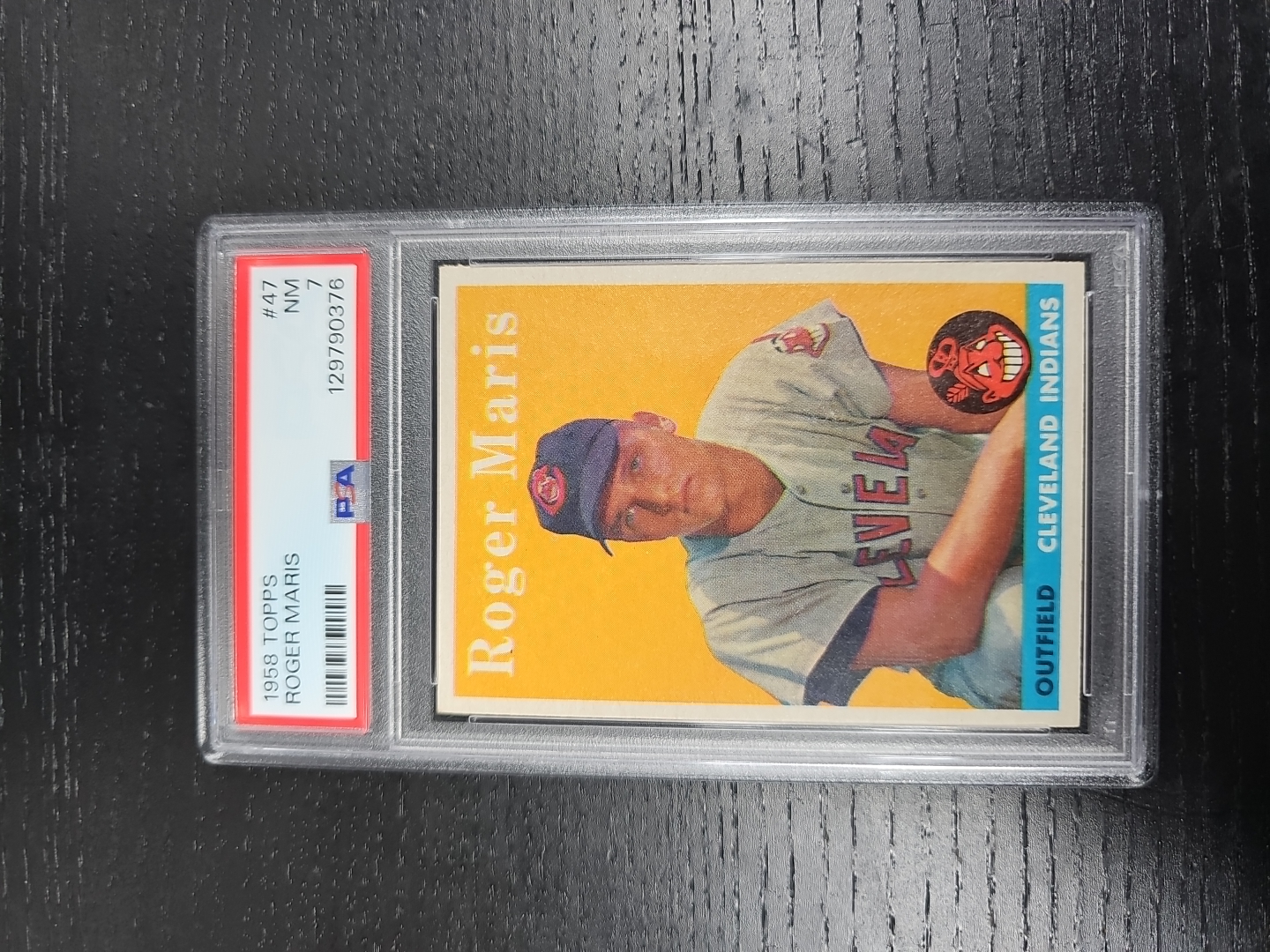
- Graded slab? PSA, SGC or BGS cases are already verified and easiest to price.
- Numbered, autographed or an insert? A stamp like 23/99 or a signature matters on newer cards.
Read condition like a dealer
- CornersSharp and square, or rounded and soft? This is the first thing buyers look at.
- CenteringAre the borders even left to right and top to bottom? Off-center cards lose a lot.
- SurfaceTilt it under a bright light. Creases, scratches, stains and print lines all show up.
- EdgesChipping and roughness, especially on dark-bordered sets.
Pro tip: One crease drops most cards into the lowest condition tier. A creased star card can still be worth money, but price it against other creased copies.
Find the real number
- Search the exact year, brand, card number and player. Card numbers matter: there can be several cards of the same player in one set.
- Filter to sold sales from the last 60–90 days. Asking prices are just hopes.
- Match the condition. A raw card usually sells near low-grade prices, not near a high grade.
- Best-offer sales often closed 10–20% under the crossed-out price.
- Printed price guides and old magazines are usually way above today's real sales.
What a buyer will actually pay
Dealers typically pay a percentage of what the card sells for, since they carry the risk, time and fees.
Players in the news or in demand can bring offers close to market.
Lower percentages. They take the most time to sell one by one.
Priced by the box or the thousand, not per card.
Rough value by era
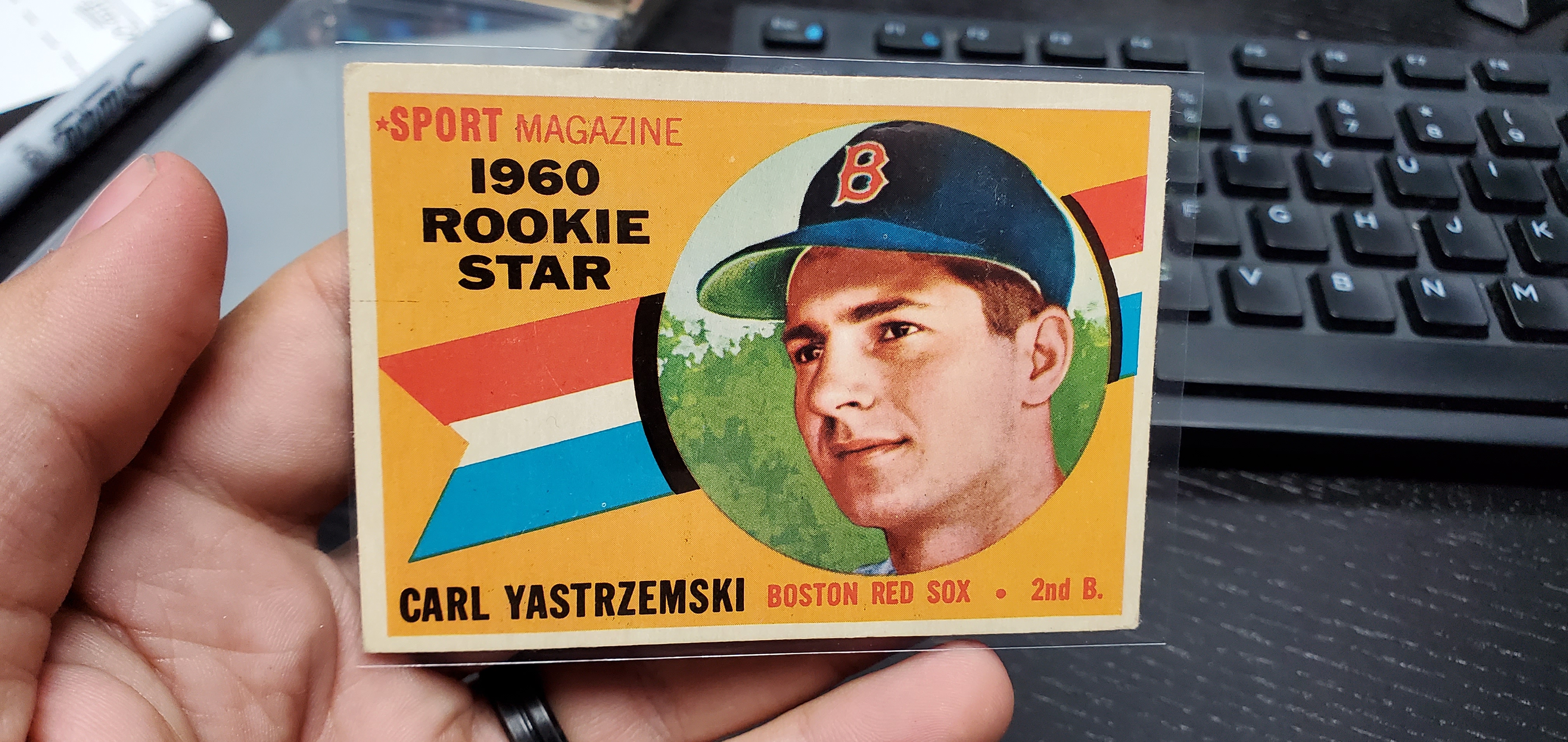
- 1950s–early 70s: often worth a real look even when worn. Stars and complete sets especially.
- Mid 70s–mid 80s: stars and key rookies can be worth something. Commons usually aren't.
- 1987–1994: printed by the millions. Most base cards are worth pennies. A few rookies in top grades and some errors are exceptions.
- Late 90s–today: the value is in inserts, autographs, short prints and numbered parallels, not base cards.
Too many cards to look up?
Pricing one card takes a few minutes. Pricing a few thousand takes weeks. If you've got boxes, the faster route is to send photos of the whole lot and get one offer for everything.