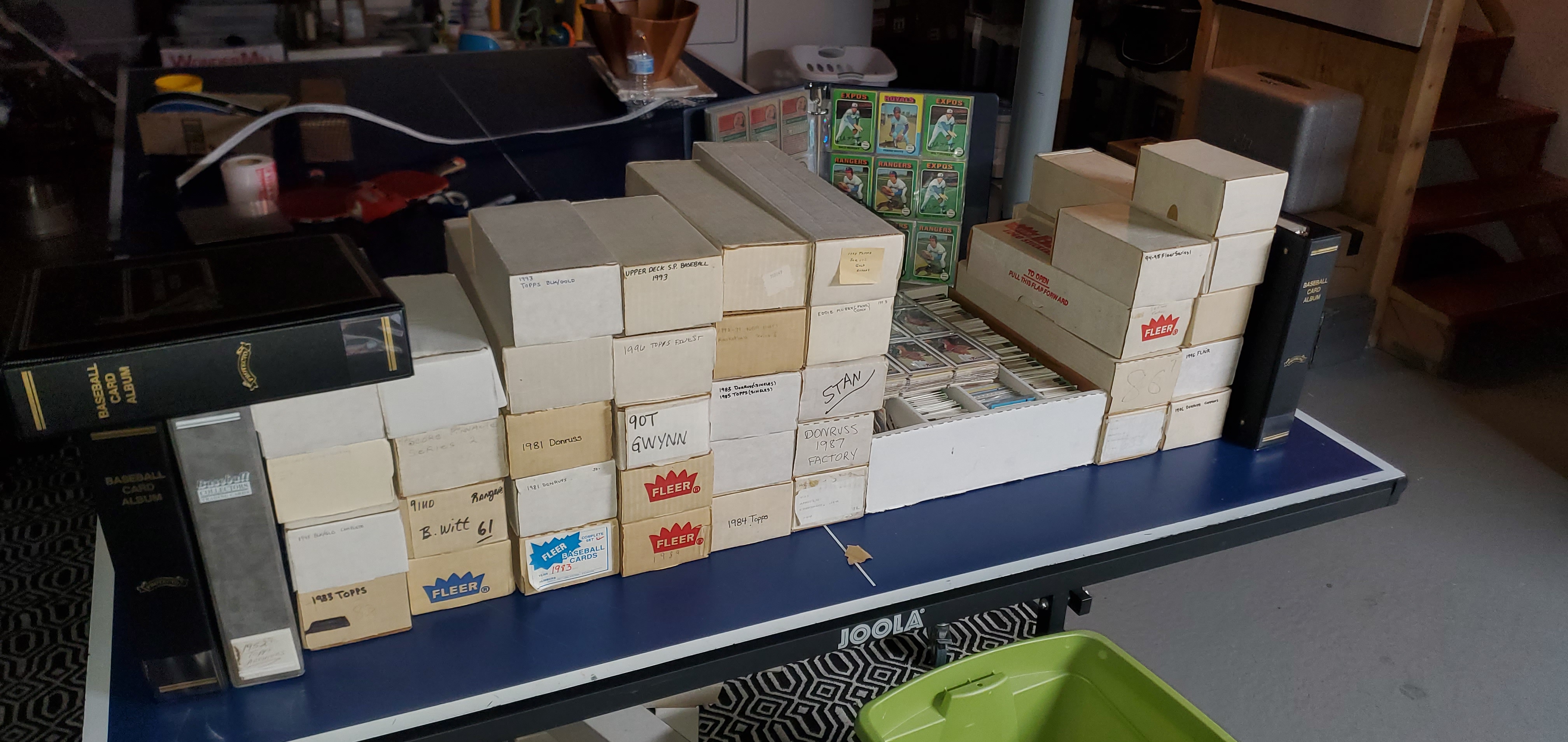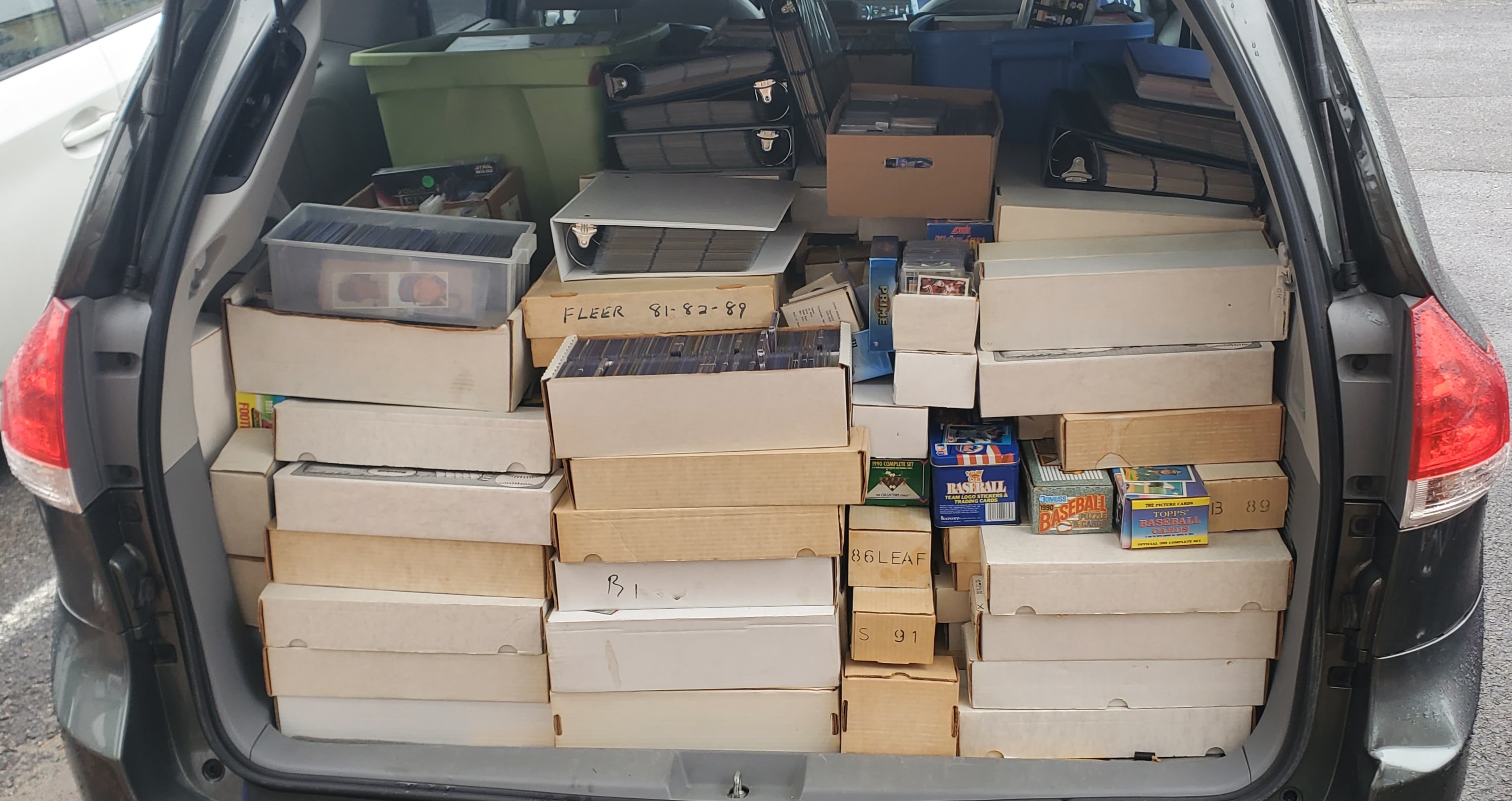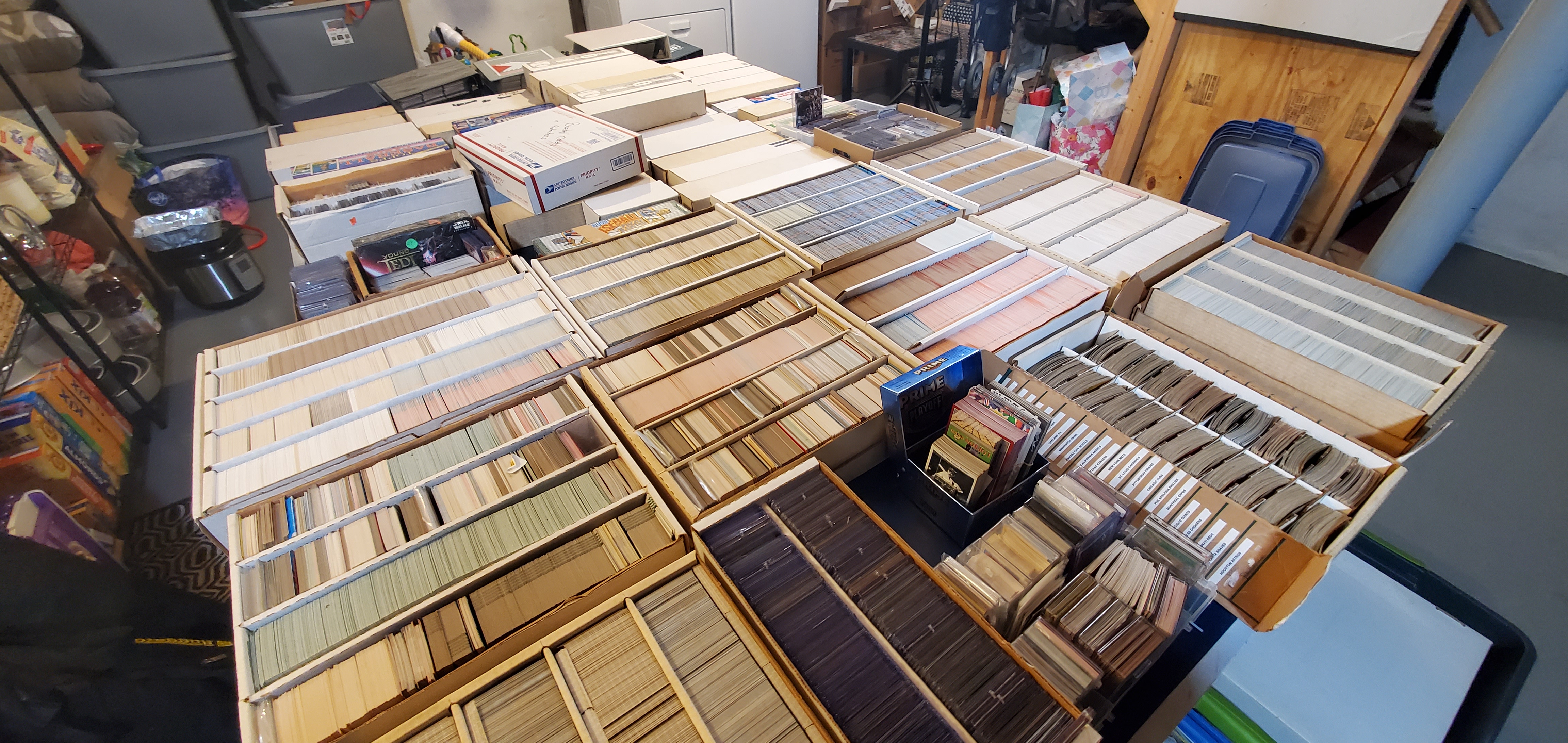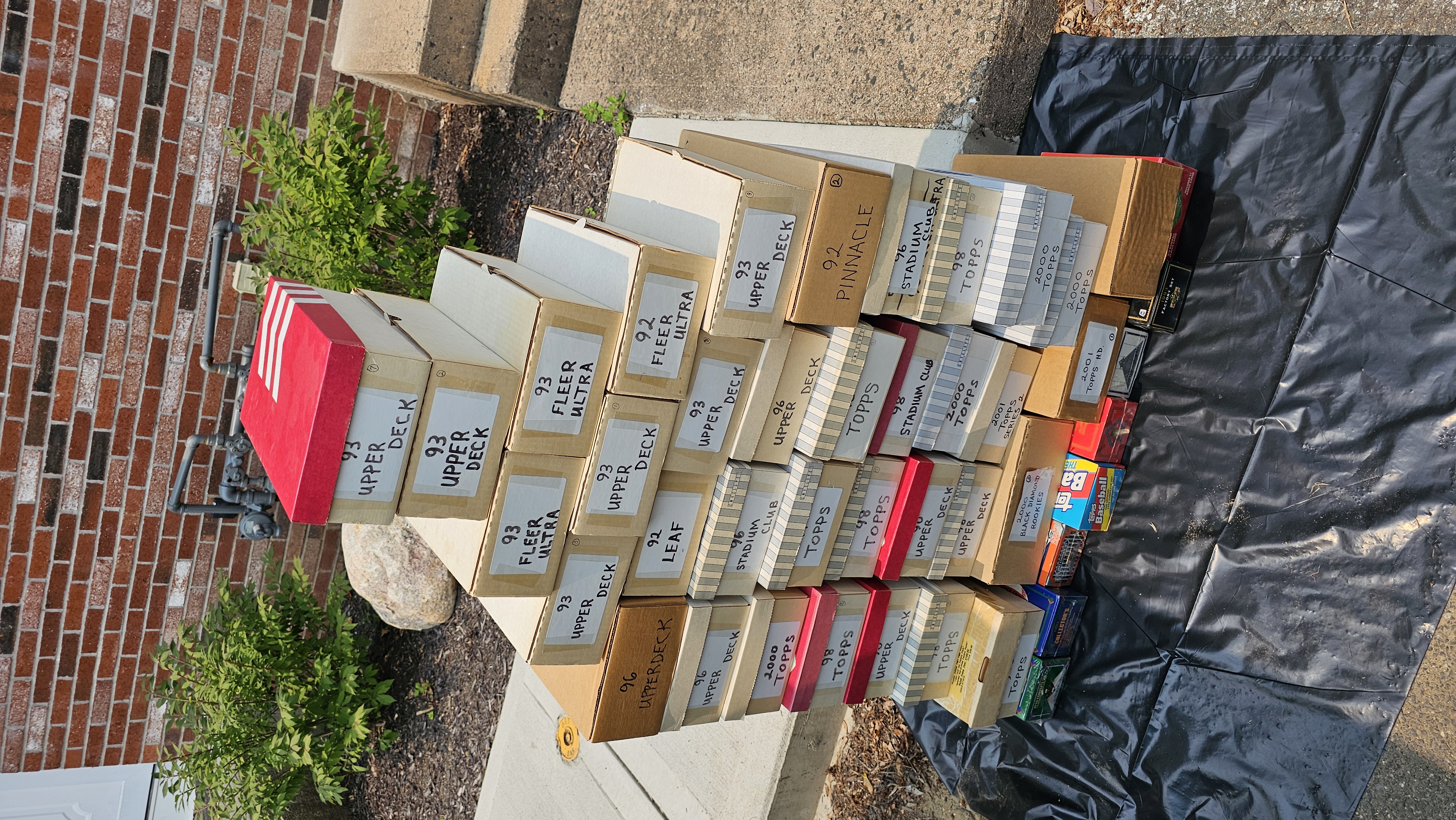
Most baseball cards from the early 90s are worth very little because they were printed by the millions. The exceptions are key rookies in top condition (like the 1993 SP Derek Jeter), famous errors (like the 1990 Topps Frank Thomas with no name on the front), late-90s inserts such as refractors and serial-numbered cards, and sealed boxes from certain sets.
Why most 90s cards are cheap
From about 1987 to 1994, card companies printed far more cards than collectors would ever want. Everybody saved them, and everybody still has them. Collectors call it the junk wax era. A base card of a star from 1991 is usually worth less than the sleeve you put it in.
Pro tip: The money in 90s cards is almost never in the base set. It's in the rare stuff mixed in with it: inserts, errors, short prints and a handful of rookies.
The 90s cards that are worth money
- 1993 SP Derek Jeter #279: the big one. The foil front chips and scratches easily, so clean copies are worth far more than worn ones.
- 1990 Topps Frank Thomas #414, no name on front: a printing error. The black box at the bottom of the front is empty. The normal version with his name is common.
- 1993 Finest Refractors: they look like the regular Finest card with a rainbow shine. Very few were made, and stars are worth serious money.
- 1994 SP Alex Rodriguez, 1992 Bowman Mariano Rivera, 1992 Bowman Mike Piazza: key rookies that still sell, especially graded.
- 1997–1999 Bowman Chrome refractors and numbered cards: anything with a serial number like 25/150 printed on it is worth checking.
How to spot a valuable 90s insert
- Look for shineRefractors, holograms and foil-stamped inserts look different from the base cards in the same box.
- Check the back for a numberA serial number like “0213/1000” means limited. Lower print runs usually mean more value.
- Read the set nameInserts have their own name on the card, like a subset title. Base cards just have the player and team.
- Check for autographsCertified autographs from the late 90s usually have a stamp or a certificate statement on the back.

Errors and variations worth checking
- 1990 Topps Frank Thomas with no name on the front (look at the black box at the bottom)
- The famous 1989 Fleer Billy Ripken bat-knob error, plus its blacked-out and whited-out versions
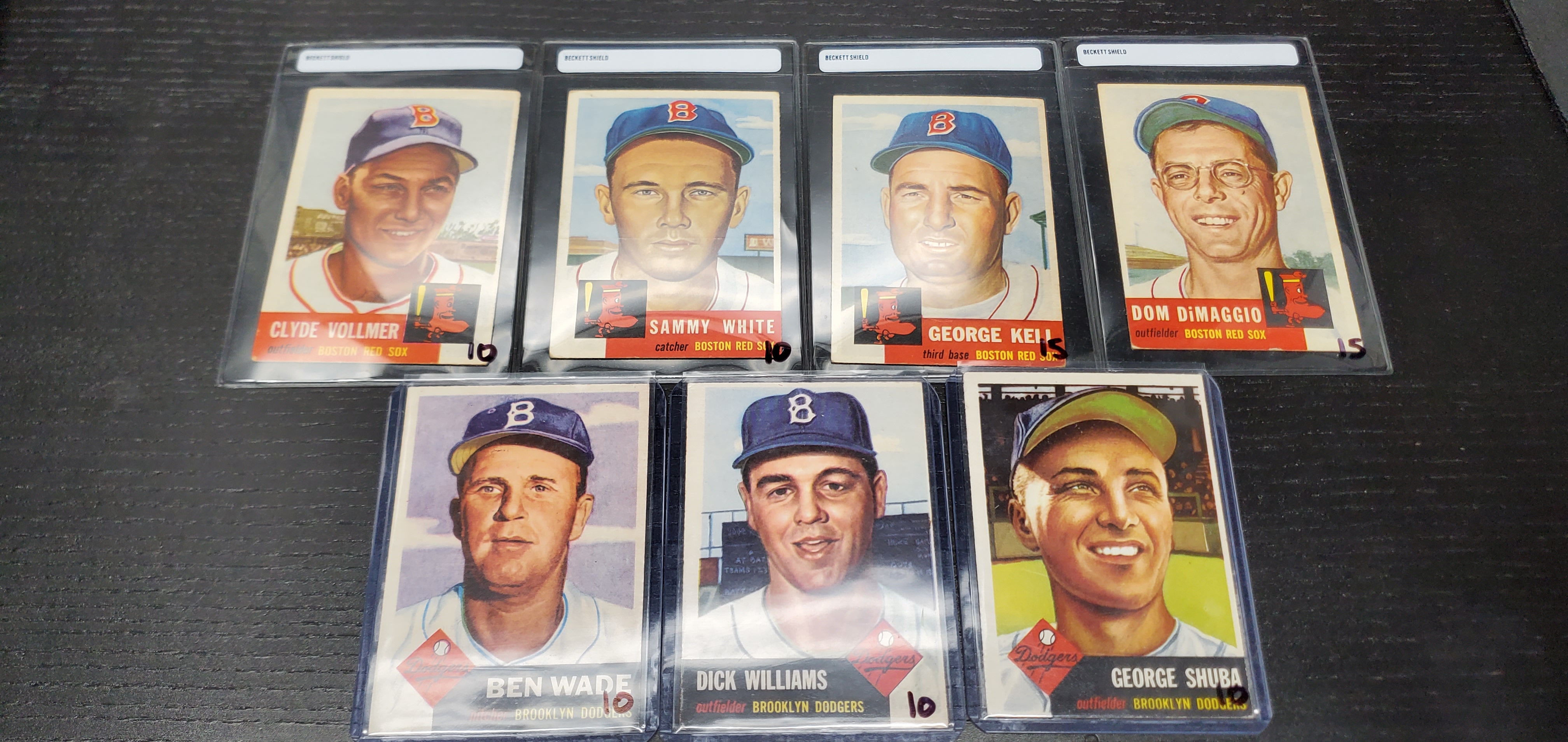
- Cards printed with the wrong photo or wrong back. Most 90s errors were corrected and are worth little, so check sold prices before getting excited.
Pro tip: If you think you have an error card, search for the card name plus “error” or “variation” and look at sold prices for both versions side by side.
Sealed boxes and factory sets
- Factory sets from 1988–1994 usually sell for less than people expect. They're common.
- Sealed wax boxes from some sets, like 1993 SP and late-90s Bowman Chrome, can be worth real money because people chase the rookies inside.
- Never open a sealed box to see what's inside before checking what the sealed box sells for. Opened is almost always worth less.
What to do with the rest
- Pull inserts, numbered cards, errors and the rookies above. That's usually a small stack.
- Sell the base cards by the box. “3,000 1990s baseball cards” sells to parents, kids and new collectors.
- Don't pay to grade 90s base cards. Grading fees are often more than the card is worth, even in great condition.